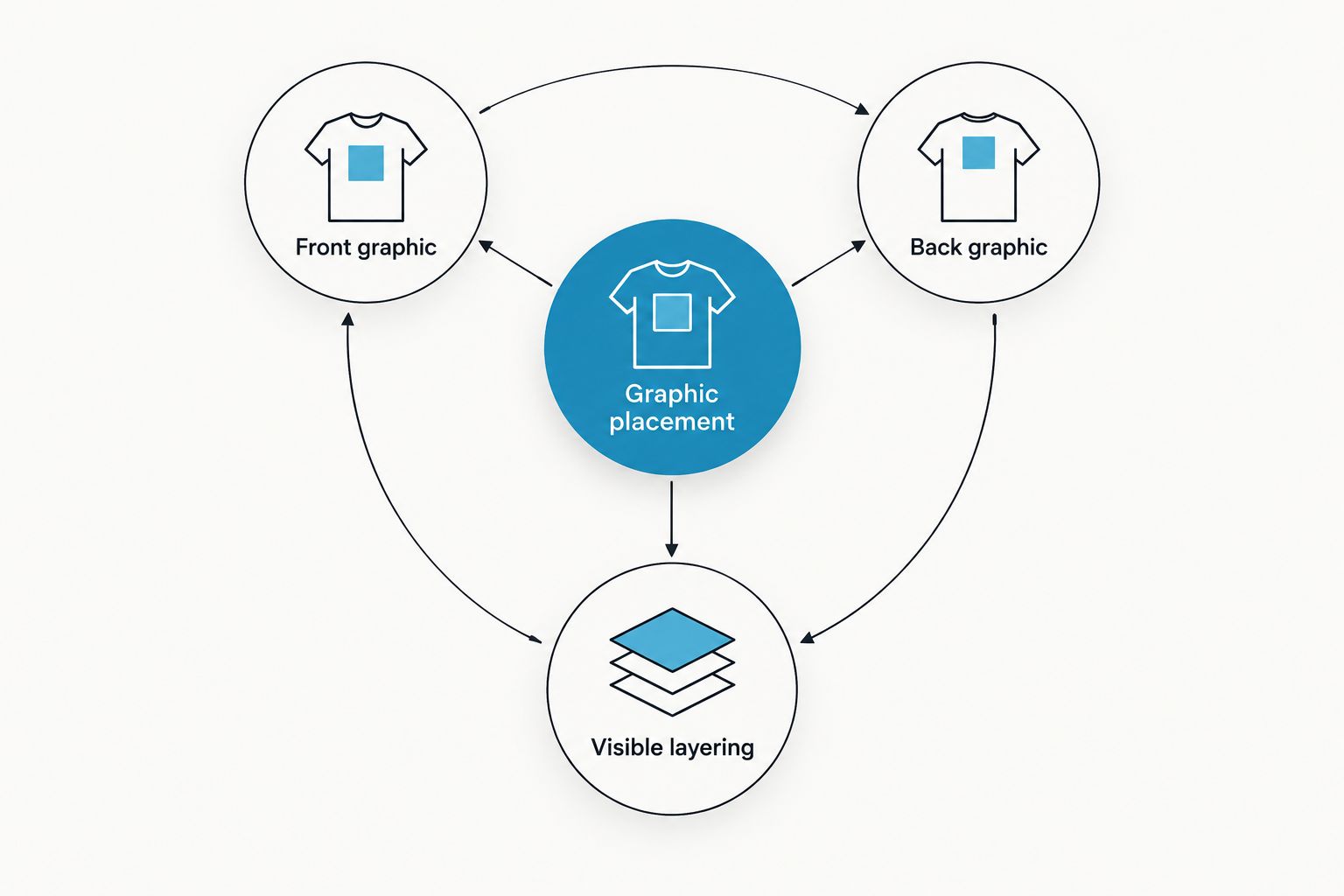
Best overall: a front-graphic pullover. Best for distressed outfits: a distressed graphic hoodie. Best for back-print outfits: a back-graphic hoodie. Best for visible layering: a graphic zip hoodie. This 2026 guide ranks oversized hoodie styles by how you want your streetwear outfit to look.
- The best oversized graphic hoodies for streetwear pair deliberate volume with graphics you want visible.
- Choose a front-graphic pullover for a straightforward statement; choose a back graphic when rear placement matters more.
- Choose distressed details for texture, but inspect holes, edges, and print treatment separately.
- Boundus shoppers choosing oversized graphic hoodies should put graphic placement and fit ahead of the size label.
Why this matters
Distressed graphics and statement details give you a useful starting point. But the graphic, silhouette, and layers still need to work together. A hoodie can have the print you want while covering your pants pockets, bunching beneath a jacket, or hiding its main artwork whenever you wear it open.
If you are starting with Boundus, use this guide to decide what to look for before choosing a garment. For 2026, make the outfit decision first and the size decision second. Decide where you want the graphic, how much volume you want, and which details should stand out.
The ranking below covers hoodie styles rather than named products. Each style has a distinct role, so the right choice depends on your wardrobe rather than its position alone.
What makes the best oversized graphic hoodies for streetwear
- Silhouette: Check body width, body length, shoulder placement, and sleeve shape together. A larger label does not explain the finished fit.
- Graphic placement: Decide whether the artwork needs to show from the front, the back, or around an open jacket.
- Distressing: Separate print wear, fabric holes, and unfinished-looking edges. They create different effects and deserve separate inspection.
- Fabric information: Read the stated composition and weight when supplied. Do not treat a substantial-looking photograph as proof of heavyweight fabric.
- Layering: Consider what sits underneath and over the hoodie. The same garment needs a different evaluation worn alone versus beneath outerwear.
- Wear and care: Read the care instructions before choosing a design with details you want to preserve. Appearance alone does not establish durability.
Oversized graphic hoodie styles at a glance
| Rank and style | Best for | Standout detail | Key limitation |
|---|---|---|---|
| 1. Front-graphic pullover | A straightforward statement outfit | Artwork placed at the front | An outer layer can cover the graphic |
| 2. Distressed graphic hoodie | Texture-led outfits | Visible wear effects or distressed details | Detail placement needs closer inspection |
| 3. Back-graphic hoodie | Making the rear view the focal point | Artwork placed across the back | A jacket or backpack can hide the print |
| 4. Graphic zip hoodie | Showing layers underneath | An opening that changes the front view | The zipper can interrupt front artwork |
Choose the graphic location before comparing colors. If your usual jacket hides the artwork, the design is not serving the outfit you planned.
1. Front-graphic pullover: best for straightforward outfits
A front-graphic pullover puts the artwork on the part of the outfit you see head-on. Choose this style when you want the hoodie itself to establish the look without depending on another visible layer.
Start with pants you already wear. Hold the proposed hoodie length against their waistband and pockets, then decide whether you want a long, draped outline or a shorter, wider shape. Oversized does not have to mean long.
Front-graphic pullover pros:
- Gives front artwork a clear role in the outfit.
- Works as a standalone upper layer.
- Lets you build around the graphic's colors rather than adding more prints.
Front-graphic pullover cons:
- A closed jacket hides the main design.
- A large print can compete with detailed pants or accessories.
Best for: You want a statement hoodie that is easy to style from the front.
For a 2026 outfit, start with the graphic and keep the surrounding pieces quieter. That is a styling choice, not a rule against mixing prints; it simply makes the main design easier to read.
Verdict: Buy for a clear front-facing focal point; skip if outerwear will cover it.
2. Distressed graphic hoodie: best for texture-led outfits
A distressed graphic hoodie makes surface detail part of the look. Inspect the actual treatment: a worn-looking print is different from an opening in the fabric, and neither tells you how the garment was made.
Check close-up views of the neckline, cuffs, hem, and graphic. Then look at the full silhouette. Distressing that appeals in a detail photograph still needs to sit where you want it when worn.
Distressed graphic hoodie pros:
- Adds texture without requiring another printed garment.
- Gives edges and surfaces a role alongside the main artwork.
- Supports an outfit built around visibly worn-looking details.
Distressed graphic hoodie cons:
- Openings can reveal the layer underneath.
- Detail photographs alone do not show how distressing looks across the whole garment.
- Care requirements need checking rather than assuming.
Best for: You want texture and statement details to carry the outfit.
Pair the hoodie with less visually busy pants when you want the distressing to remain the focus. If you combine distressed pieces, compare where their details fall rather than assuming more texture creates a better outfit.
Verdict: Buy when the specific distressing appeals; skip if only the general label does.
3. Back-graphic hoodie: best for rear-view statements
A back-graphic hoodie puts the main artwork behind you. Choose it because you want that placement, not because a large print automatically makes the hoodie a stronger choice.
Think through your normal layers and accessories. A jacket covers the back; a backpack covers part of it. Examine the front too, because that is still the view you will see when you check your outfit in a mirror.
Back-graphic hoodie pros:
- Makes the rear view a deliberate part of the outfit.
- Suits styling where the hoodie remains the outermost layer.
- Lets you choose a different balance of detail between front and back.
Back-graphic hoodie cons:
- Outerwear can hide the defining feature.
- Backpack placement can obscure the artwork.
Best for: You want the back print to be visible while wearing the hoodie on its own.
For your 2026 shortlist, judge both sides rather than saving only the most dramatic product photograph. A back graphic should complement the front you actually want to wear.
Verdict: Buy for uncovered back artwork; skip when your regular layers hide it.
4. Graphic zip hoodie: best for visible layering
A graphic zip hoodie lets you change how much of the layer underneath shows. That opening makes the tee, hoodie, and pants part of the same composition rather than leaving the hoodie to carry everything.
Inspect the design both open and closed. If artwork crosses the zipper, decide whether you like the interruption; if the graphics sit beside it, check how they look when the front panels move apart.
Graphic zip hoodie pros:
- Lets an underlying tee remain visible.
- Gives you open and closed styling choices.
- Makes graphic placement around the opening a deliberate decision.
Graphic zip hoodie cons:
- The opening can split front artwork.
- A graphic tee underneath can compete with the hoodie design.
- Extra layers require their own fit check.
Best for: You want the tee underneath to remain part of the outfit.
Begin with one dominant graphic. Add another only if you like the relationship between their placement and colors. You do not need matching artwork for the layers to belong together.
Verdict: Buy for adjustable layering; skip if you want an uninterrupted front graphic.
Check oversized fit before choosing a size
Use a hoodie you already like as the reference. Lay it flat without stretching and record 3 measurements: chest width, body length, and sleeve length. Keep all measurements in inches or all in centimeters so your comparison stays consistent.
Follow the seller's measurement method when comparing the reference garment with a size chart. Body measurements and garment measurements describe different things; do not substitute one for the other.
Width and length
Decide whether you want more room across the body, more length, or both. Sizing up changes the listed measurements, so check which dimensions change rather than assuming the result will match your preferred oversized shape.
Shoulders and sleeves
Look at where the shoulder seam sits and where the cuffs finish. A dropped shoulder and a long sleeve are different details, even when both contribute to a relaxed appearance.
Layering room
Try your reference hoodie over 1 base layer you actually plan to wear. Check the chest, upper arms, and neckline while moving normally. A fit that works over a tee needs a separate check over a thicker layer.
For 2026 shopping, save the measurements with your outfit notes. They are more useful than remembering that a particular size once fit well.
Check fabric and graphics without guessing
Fabric weight, composition, and finish answer different questions. Read each separately. If a listing supplies a fabric weight, use it as a stated specification rather than treating it as a complete quality rating.
Look for garment shape in the photographs, but keep the observation narrow. You can assess how a hoodie hangs in that image; you cannot establish softness, warmth, or long-term wear from the image alone.
For graphics, inspect placement and scale against the garment. A close crop can make artwork appear dominant while telling you little about how much of the hoodie it covers. Full front and back views give you a better basis for choosing the statement you want.
Boundus shoppers comparing oversized graphic hoodies should use the same distinction: visible details guide the style decision; stated specifications guide the material decision. Neither replaces checking the fit.
How these hoodie styles are ranked
The front-graphic pullover takes the default position because its use case is direct: a visible front statement worn as the main upper layer. Distressed, back-graphic, and zip styles follow as more specific choices for texture, rear placement, and layering.
This is a style ranking, not a claim about tested construction or durability. Each recommendation depends on graphic placement, silhouette, layering, and the details you can inspect before choosing.
Which oversized graphic hoodie should you choose?
Choose a front-graphic pullover if you are undecided. It gives you a clear starting point: pick the artwork, check the silhouette, and build the rest of the outfit around it.
Choose a distressed style when texture is the priority, a back graphic when the rear artwork will stay visible, or a zip hoodie when the underlying tee matters. For a Boundus outfit, make those decisions before adding another statement piece.
FAQ
What's the best oversized graphic hoodie style for streetwear?
A front-graphic pullover is the default choice for a straightforward statement outfit. Choose a distressed hoodie for texture, a back graphic for rear placement, or a zip hoodie for visible layering.
Should I size up to get an oversized hoodie fit?
Compare garment measurements before sizing up. Check chest width, body length, and sleeve length against a hoodie you already like, using the same measurement method.
How do I choose a distressed graphic hoodie?
Choose a distressed graphic hoodie by inspecting the actual details, not just the distressed label. Check print treatment, fabric openings, cuffs, neckline, and hem in both close-up and full-garment views.
Is a front graphic better than a back graphic?
A front graphic is better when you want the statement visible head-on; a back graphic is better when rear placement is the point. Choose according to which area your usual layers leave uncovered.
Can I wear a graphic tee under a graphic zip hoodie?
Yes, a graphic tee can be part of a zip-hoodie outfit. Start with one dominant design, then check whether the second graphic adds something you want rather than competing for attention.
Does a heavyweight label mean a hoodie is better?
A heavyweight label alone does not establish that a hoodie is better for you. Compare any stated fabric weight with composition, fit, intended layering, and care instructions.
What should I check before choosing a hoodie from Boundus?
Check the individual garment's stated details, measurements, graphic placement, and care instructions. Choose the specific item for those details rather than assuming every garment has the same fit or finish.
One last thing
Before settling on your 2026 hoodie choice, take 2 outfit photos: one from the front and one from the back using a reference layer. Check where the proposed graphic would sit and what your jacket or bag would cover. A design you love still needs room to show.